

Celebrity gamblers What drives their high-stakes decisions
The Allure of High-Stakes Gambling
High-stakes gambling has always captivated the public, particularly when it involves celebrities. The thrill of risking large sums of money creates an adrenaline rush that many find irresistible. For these famous individuals, the stakes go beyond just the financial; they often serve as a platform to showcase their wealth and lifestyle. This allure transforms gambling from a mere pastime into an extravagant display of status and bravado. Notably, many players are drawn to the best online pokies australia, which enhance their gaming experience.
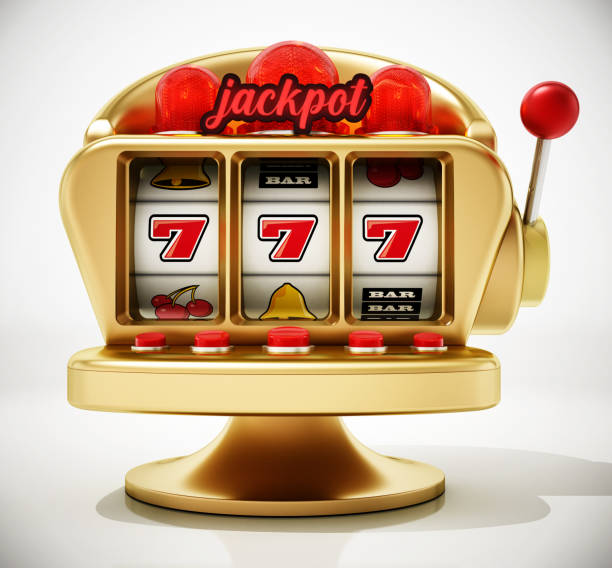
In addition to the excitement, the environment of exclusive high-roller rooms in casinos adds to the appeal. Celebrities often find themselves in glamorous settings with luxurious amenities, making the experience more enticing. Moreover, these high-stakes environments are often filled with other wealthy individuals, creating an atmosphere of competition. Each decision made at the table is not just about winning or losing; it’s about maintaining a certain image among peers.
The psychology behind such high-stakes decisions can also be linked to fame and identity. Many celebrities experience pressure to maintain their public personas, and gambling can be a way to reinforce their larger-than-life images. This desire to be seen as bold or adventurous can lead to reckless decisions, driven more by ego than by strategic thinking. Ultimately, for many celebrities, the thrill is as much about the game as it is about the impression they leave on others.
The Influence of Wealth on Decision-Making
Wealth undoubtedly plays a significant role in the decisions made by celebrity gamblers. With financial resources that far exceed the average person, these individuals have the luxury to take risks that would be prohibitive for others. The ability to absorb losses without significant consequence often leads to bolder betting choices. This financial cushion can create a false sense of security, prompting celebrities to make decisions that are less calculated and more impulsive.
Moreover, the nature of gambling itself tends to attract those who are comfortable with risk. Many celebrities come from backgrounds where they had to take significant risks to achieve their success. This inherent risk-taking behavior can be mirrored in their gambling habits. For instance, actors and musicians who have succeeded against the odds may find themselves drawn to games that offer the chance for extraordinary wins, further incentivizing high-stakes betting.
The societal perception of wealth also influences these decisions. High-net-worth individuals often experience social pressure to display their affluence, leading to choices that emphasize their financial capability. In many cases, celebrities view large bets as a means of affirming their status among peers. This combination of financial freedom and social expectations creates a unique environment where high-stakes decisions are commonplace.
The Role of Personality and Risk Tolerance
Personality traits significantly affect how celebrities approach gambling. Individuals who are naturally competitive or thrill-seeking may be more inclined to engage in high-stakes games. Many celebrities possess a strong desire to win, which can cloud their judgment and lead to impulsive decisions. The competitive spirit that fuels their careers can translate into the gambling arena, where every game is treated as a challenge that must be conquered.
Additionally, risk tolerance varies widely among individuals, influencing gambling strategies and choices. Some celebrities may possess a high tolerance for risk, allowing them to engage in aggressive betting strategies. This behavior can be seen in public figures known for their daring nature, whether in their work or personal lives. Conversely, others might approach gambling with more caution, reflecting a more reserved personality, even if they have the financial means to gamble extravagantly.
The impact of personality on decision-making extends beyond individual traits. Social circles also play a role; celebrities often gamble with friends or associates who may encourage riskier behavior. Peer influence can create an environment where reckless decisions seem normalized. The social dynamics at play in these situations can lead to escalating stakes and choices made for the thrill rather than rationality.
Media Influence and Public Image
The media plays a critical role in shaping the public perception of celebrity gamblers. Their high-stakes decisions are often scrutinized and sensationalized, contributing to a narrative that can either glorify or vilify their choices. This constant attention can create pressure for celebrities to maintain their gambling habits, even when it may not be in their best interest. The desire to stay relevant in the public eye can lead to decisions driven by image rather than sound judgment.
Moreover, the media often highlights the glamorous side of high-stakes gambling, portraying it as a thrilling adventure filled with lavish parties and extravagant wins. This representation can create a distorted view of gambling that lures celebrities into making decisions that align with their public persona. The thrill of being featured in tabloids or social media can further incentivize them to gamble, regardless of the personal risks involved.
Celebrity endorsements and social media also contribute to this dynamic. Many public figures promote gambling platforms, which can create an impression that high-stakes gambling is a normative and aspirational activity. As a result, the pressure to participate in such activities can stem from the desire to align with perceived lifestyle trends. This complicated relationship with media influence makes it challenging for celebrities to navigate their gambling decisions rationally.

Conclusion: Understanding Celebrity Gambling Decisions
Celebrity gambling decisions are complex, shaped by a blend of personal, social, and financial factors. The allure of high-stakes environments, combined with substantial wealth and unique personality traits, creates a landscape where reckless choices can easily occur. Furthermore, the influence of media and public perception adds another layer of complexity, reinforcing the behaviors that define celebrity gambling.
Ultimately, understanding the motivations behind these decisions requires a nuanced approach. High-stakes gambling serves not just as a game of chance but as a reflection of identity, status, and social dynamics. By examining the interplay of these factors, we can gain insight into why celebrities make the high-stakes decisions they do, often at the risk of their financial security and personal well-being.
